Babaa Sweater Review: Spanish Ethical Knitwear Worth Every Dollar
Are you tired of fast fashion sweaters that pill after three washes? Do you want knitwear that actually lasts for years? Babaa sweaters have taken the sustainable fashion world by storm. These Spanish wool knits promise quality, ethics, and timeless style.
But with prices ranging from $210 to $295, you need to know if they’re worth your money. This honest review covers everything from fabric quality to washing care. You’ll discover why fashion lovers worldwide swear by these chunky knits. Read on to find out if a Babaa sweater belongs in your closet.

Key Takeaways
Here’s what you need to know about Babaa sweaters before buying:
Quality and Materials: Babaa uses 100% natural wool from local Spanish farmers. The wool comes straight from sheep to you with minimal processing. This creates a unique texture that softens beautifully over time.
One Size Philosophy: Most Babaa sweaters come in one size only, equivalent to medium. The oversized design fits various body types from petite to plus size. This approach reduces waste and supports their sustainability mission.
Initial Texture: Many reviewers mention the wool feels slightly scratchy at first. The fibers soften naturally with each wear as they adapt to your body. Some people never find them itchy while others need a break-in period.
Investment Value: These sweaters typically cost between $210 and $295. They hold their shape remarkably well even after years of regular wear. Many owners call them true investment pieces that justify the higher price point.
Ethical Production: Every piece gets knitted in Spain using Japanese knitting machines. Local women assemble each sweater with traditional textile skills. The brand maintains close relationships with farmers and factories throughout the supply chain.
What Makes Babaa Sweaters Special

- Raw Material: Made of 26Nm/2 pure Merino wool fine yarn, this 100% merino wool sweater has a wool fineness of 17.5-17.9-micron,...
- The New Era of Knitting Technology: The seamless knitting technology combines the world's advanced weaving technology, in a 3D...
- 3D Seamless VS Traditional Knitting: This 100% merino wool sweater uses the latest perfect seamless technology, bulky and annoying...
Babaa stands apart from typical knitwear brands. Founder Marta Bahillo launched the company in 2012 with a clear vision. She wanted to create sustainable fashion using only local Spanish materials. The brand built its reputation on transparency and quality. Every sweater connects Spanish sheep farmers directly to customers worldwide. This farm-to-closet approach eliminates unnecessary middlemen. You can trace your sweater’s journey from pasture to package.
The wool comes from sheep raised in Spanish countryside. Farmers use traditional grazing methods without harmful chemicals. The sheep live natural lives in open fields. This ethical treatment produces better quality wool. The fibers retain their natural lanolin and character. Many mass-market brands strip away these qualities during processing. Babaa keeps the wool as pure as possible. This decision affects both texture and longevity.
Japanese knitting machines create each piece with precision. These machines produce the distinctive chunky gauge Babaa fans love. Local women then hand-finish every sweater. They add final touches and inspect quality carefully. This combination of machine efficiency and human craftsmanship works perfectly. The result feels both modern and traditionally made.
Understanding Babaa’s One Size Approach
Babaa takes a bold stance with their sizing model. Most adult styles come in one size only. This equals approximately a medium in standard sizing. The decision stems from their sustainability values and small profit margins. Making multiple sizes would increase waste and complexity. The brand chooses to perfect one size instead of offering many mediocre fits.
The oversized silhouette works for various body types. People from size XS to XL wear Babaa successfully. The dropped shoulders and loose fit create flexibility. Width measurements typically run between 49 to 67 cm depending on style. Length varies from 59 to 75 cm across different designs. These generous proportions accommodate different frames.
Shorter people sometimes find the sleeves quite long. The oversized nature can overwhelm petite frames initially. However, many short wearers report loving the cozy, enveloping feel. Plus size customers appreciate styles with wider body measurements. Reddit threads share which specific Babaa numbers work best for larger bodies. The No. 17 and No. 51 get frequent recommendations for fuller figures.
The styling matters as much as measurements. You can wear Babaa sweaters fitted over slim base layers. Or embrace the oversized look with relaxed bottoms. The versatility justifies the one size model for most people. Some customers own multiple Babaa pieces in different fits. They layer them or wear them alone depending on the look desired.
The Famous Babaa Texture and Feel

- Raw Material: Made of 26Nm/2 pure Merino wool fine yarn, this 100% merino wool sweater has a wool fineness of 17.5-17.9-micron,...
- The New Era of Knitting Technology: The seamless knitting technology combines the world's advanced weaving technology, in a 3D...
- 3D Seamless VS Traditional Knitting: This 100% merino wool sweater uses the latest perfect seamless technology, bulky and annoying...
Let’s talk honestly about how Babaa sweaters feel. The texture divides people more than any other factor. Raw, minimally processed wool has character that modern consumers aren’t used to. The fibers come almost directly from sheep without extensive softening treatments. This creates what some call scratchy and others call authentic.
First-time wearers often notice the woolly texture immediately. The sweaters feel substantial and slightly rough against bare skin. This isn’t a cashmere-soft experience out of the box. People sensitive to wool may find them uncomfortable initially. Some reviewers even returned their sweaters due to itchiness. Others barely notice any scratchiness at all.
The magic happens with repeated wearing. Wool naturally softens as it moves and breathes. Your body heat and movement break in the fibers. Most owners report significant softening after two to four weeks of regular wear. The sweaters conform to your shape and become more comfortable. This transformation makes patience worthwhile for many people.
You can speed up the softening process if needed. Babaa recommends washing in cold water with mild soap. Adding a small amount of hair conditioner helps relax fibers. Some people do a vinegar soak before the first wear. These methods work but aren’t absolutely necessary. The wool will soften naturally regardless.
Wearing base layers provides another solution. A thin long-sleeve shirt underneath eliminates direct contact. This lets you enjoy Babaa’s warmth and style during the break-in period. Many people eventually wear them directly on skin once softened.
Top 3 Alternatives for Babaa Sweaters

- Wool Blend: Feel itch-free softness with quality fabric. Ideal thickness, gentle stretch, and airy warmth ensure a joy to wear
- Chunky Oversized: Roomy silhouette flatters all body shapes, while the thick knit provides insulating comfort against the chill
- Versatile Wear: A cozy companion that goes with you from Spring casual outings to office commutes, winter getaways, and festive...

- Comfort in Effortless Style - We've crafted this sweater to be your daily favorite. The 60% cotton content ensures soft,...
- Cozy Fall Essential -Featuring a chic oversized fit and timeless cable knit pattern, this sweater is your ultimate layering piece....
- Versatile & Cross Scenes Ready - A staple piece for your capsule wardrobe. Elevate your date night look by pairing it with a silky...

- Womens long sleeve knitted oversized sweaters, quality chunky sweater can give you boyfriend warm but not heavy
- Features: Chic pullover sweaters for women features ribbed knitted, baggy and oversized cutting, batwing long sleeve, stylish mock...
- This cozy long sleeve sweater is such a wonderfully warm choice for any day; Suited for Womens, Ladies, Juniors. Just throw this...
How Babaa Sweaters Are Made
Understanding Babaa’s production process reveals why they cost more. The journey begins at local Spanish sheep farms. Farmers raise their flocks using traditional pastoral methods. The sheep graze freely on natural grasses without growth hormones. Their wool develops slowly and naturally over months. This patience produces stronger, more resilient fibers.
After shearing, the wool moves to small Spanish factories. Babaa works with family-run textile operations that span generations. These aren’t massive industrial facilities with thousands of workers. The scale stays deliberately small to maintain quality control. The brand founder personally knows the families running these operations.
Japanese knitting machines handle the actual construction. These sophisticated machines create the chunky, even gauge that defines Babaa. The technology allows for complex patterns and consistent tension. Operators program each design carefully to achieve the desired drape and weight. This mechanical precision ensures sweaters match across production runs.
Human hands complete every sweater afterward. Teams of local women assemble pieces with traditional seaming techniques. They sew sleeves, attach necklines, and finish all edges. Quality inspection happens at multiple stages. Any sweater with flaws gets set aside for repair or recycling. Only perfect pieces make it to customers.
The entire process happens within Spain’s borders. This localized production reduces shipping emissions significantly. It also supports regional employment and traditional skills. Workers earn fair wages in safe conditions. Babaa’s transparency extends to sharing factory information openly. You can research their production partners if desired.
Babaa Sweater Sizing Guide
Getting the right Babaa fit requires different thinking than regular shopping. You can’t simply order your usual size. The one-size model needs careful consideration before purchasing. Start by reviewing the specific measurements for your chosen style. Each Babaa number has slightly different dimensions listed on their website.
Measure your favorite oversized sweater for comparison. Lay it flat and measure width across the chest. Then measure from shoulder to hem for length. Compare these numbers to Babaa’s posted measurements. This gives you a realistic idea of how the piece will fit your body.
Consider your height when evaluating fit. People over 5’8″ generally find proportions perfect. Those between 5’4″ and 5’8″ usually love the oversized look. Shorter than 5’4″ may find some styles overwhelming. The No. 15 and No. 17 work well for petite frames according to reviewers.
Body shape matters less than expected with Babaa. The loose construction doesn’t cling to curves or highlight proportions. Straight and curvy bodies both wear them successfully. Fuller busted people should check the width measurements carefully. Some styles offer more room through the chest than others.
Arm length varies significantly between styles. The No. 16 and No. 29 feature extra-long sleeves intentionally. These cover your hands completely for ultimate coziness. The No. 11 has more moderate sleeve length. Check specific measurements if sleeve length concerns you.
Warmth and Wearability Through Seasons
Babaa sweaters deliver serious warmth. The thick wool construction traps heat effectively. These aren’t lightweight layering pieces for mild weather. You’ll stay genuinely warm even in cold temperatures. People in harsh climates praise Babaa’s insulating properties. The natural wool regulates temperature better than synthetic materials.
Fall becomes the perfect time to start wearing Babaa. September and October temperatures suit these sweaters ideally. You can wear them as outer layers on cool days. They work over t-shirts or long-sleeve base layers. The versatility makes them wardrobe workhorses during shoulder seasons.
Winter presents Babaa’s peak performance period. The chunky knits excel as cozy indoor sweaters. They also work under coats for extreme cold. The wool continues breathing even when layered heavily. You stay warm without overheating indoors. This temperature regulation beats synthetic fleece significantly.
Spring requires strategic wearing as weather warms. Early spring mornings and evenings still suit Babaa well. You might switch to thinner styles as temperatures rise. The lighter Babaa numbers work into April in many climates. Store your chunkiest pieces once consistent warmth arrives.
Summer means Babaa takes a break for most people. The thick wool feels too warm for hot weather. Some people in cool coastal climates wear lighter Babaa year-round. Proper storage during off-season preserves your sweater beautifully. Fold it with cedar blocks in a breathable bag.
Caring for Your Babaa Sweater
Proper care extends your Babaa’s life dramatically. These sweaters can last decades with correct maintenance. The brand recommends hand washing as the safest method. Fill a sink with cold water and add gentle, natural soap. Submerge your sweater and let it soak for 15 to 20 minutes. Gently press the water through without aggressive scrubbing.
Avoid hot water absolutely. Heat causes wool to felt and shrink irreversibly. Keep water temperature at or below room temperature. Cold water works perfectly for cleaning wool. The natural lanolin in Babaa wool resists dirt naturally. You need less aggressive cleaning than with other fabrics.
Machine washing remains possible with strict precautions. Use only machines with specific wool programs. Set temperature to zero degrees Celsius exactly. Use gentle spin settings to prevent stretching. Remove the sweater immediately when the cycle finishes. Many people successfully machine wash their Babaas this way.
Drying requires patience and correct technique. Never hang wet wool sweaters on hangers. The weight pulls and distorts the shape permanently. Instead, roll your sweater in a dry towel. Press gently to remove excess moisture. Lay flat on a clean, dry towel away from direct heat. Reshape to original dimensions while damp.
Allow 24 to 48 hours for complete air drying. Flip the sweater halfway through if possible. Don’t rush the process with radiators or dryers. Heat damage ruins wool quickly. Natural air drying preserves fiber integrity. Your patience gets rewarded with a perfectly maintained sweater.
Color Options and Aesthetic Appeal
Babaa offers colors that reflect Spanish landscapes beautifully. Natural, undyed wool comes in cream, beige, and soft brown tones. These shades showcase the wool’s authentic character. The variations between batches add unique personality. No two natural Babaa sweaters look exactly identical.
Mist ranks as one of the most popular colors. This soft gray-blue evokes foggy Spanish mornings. The shade works with nearly any outfit combination. People describe it as sophisticated and calming. Mist photographs beautifully and wears even better.
Earth tones include rich browns and warm terracottas. Oak delivers a gorgeous medium brown that deepens with wear. Forest provides deep green for those wanting color. These dyed options still use natural, non-toxic dyes. The colors fade gracefully over years rather than looking worn out.
Detail offers subtle texture through natural color variation. This undyed option shows the wool’s true spectrum. Creams, browns, and grays mix throughout each sweater. The effect looks organic and interesting. Detail works especially well for people who love natural fibers.
Black and darker colors appear occasionally in collections. These provide options for people wanting versatile neutrals. The darker shades hide stains better than lighter colors. They also create different styling opportunities. However, natural shades remain the brand’s signature aesthetic.
Babaa’s Most Popular Styles Explained
The No. 17 stands as Babaa’s signature piece. This turtleneck features a slim fit compared to other styles. The high neck provides warmth and classic appeal. It works equally well alone or layered under jackets. Many people buy the No. 17 as their first Babaa. The style suits various body types and heights.
The No. 15 offers a crew neck in medium weight. This style hits the sweet spot between fitted and oversized. The proportions flatter most people without overwhelming. Sleeves fall to a comfortable length. This versatility makes the No. 15 a safe first choice.
The No. 19 cardigan earns devoted fans. The button-front design adds functionality for layering. You can wear it open over dresses and shirts. Buttoned up, it works as a regular sweater. The cardigan style extends wearing options significantly. People often choose this for maximum versatility.
The No. 16 embraces maximum oversized proportions. Extra-long sleeves cover your hands completely. The body width creates a cocooning effect. This style works perfectly for cozy days at home. It also makes a statement layered over fitted clothes.
The No. 51 provides a more structured silhouette. This style sits closer to the body through the torso. It maintains Babaa’s chunky knit character in a less oversized package. People who want warmth without extreme bulk choose the No. 51.
Price Analysis and Investment Value
Babaa sweaters require significant upfront investment. Prices start around $210 and reach $295 for most styles. This places them firmly in the luxury knitwear category. The cost shocks people accustomed to fast fashion pricing. You could buy five or six regular sweaters for one Babaa.
The price reflects genuine costs rather than markup alone. Spanish labor earns fair wages by European standards. Small-batch production costs more than mass manufacturing. Natural, local materials price higher than imported synthetics. Every dollar supports ethical practices and quality materials.
Cost per wear drops dramatically over time. Babaa sweaters maintain their appearance for years. Owners report wearing the same sweater for three to five years without visible wear. Some pieces last even longer with proper care. Calculate the price divided by wears over several years.
Compare Babaa to other luxury knitwear brands honestly. Cashmere sweaters from mainstream luxury brands cost similar amounts. Those pieces often pill and wear out faster than Babaa. Babaa’s durability exceeds many pricier competitors. The value proposition makes sense when considering longevity.
Sales and secondhand markets offer savings opportunities. Babaa holds sales a few times yearly with meaningful discounts. You might save 15 to 25 percent during these periods. Pre-owned Babaa sweaters appear on resale platforms regularly. Well-maintained pieces sell for 50 to 70 percent of retail.
Sustainability and Ethical Credentials
Babaa’s environmental impact stays remarkably low. The localized production eliminates most shipping emissions. Wool requires no petroleum products unlike synthetic fibers. The sheep graze naturally without chemical inputs. This regenerative approach actually benefits landscapes when done properly.
The wool biodegrades completely at end of life. Unlike polyester sweaters that shed microplastics, Babaa returns to earth safely. You could literally compost a worn-out Babaa eventually. This circularity represents true sustainability rather than greenwashing.
Animal welfare meets high standards in Babaa’s supply chain. Spanish farmers follow European animal protection regulations. The sheep live outdoors and express natural behaviors. Shearing happens once or twice yearly without harm. Wool production can be ethical when done with care.
Worker conditions receive equal attention. Factory employees work regular hours for fair pay. The small scale allows for better working conditions than industrial facilities. Babaa maintains long-term relationships with production partners. This stability benefits workers significantly.
The one-size model reduces waste in multiple ways. Less inventory means fewer unsold sweaters heading to landfills. Simplified production creates less material waste. Customers keep their sweaters longer because of the investment. This challenges fashion’s throwaway culture effectively.
Styling Your Babaa Sweater
Babaa sweaters create effortlessly chic looks. The oversized proportions work beautifully with slim bottoms. Try pairing your Babaa with fitted jeans or leggings. This balance prevents looking shapeless while staying comfortable. Skinny or straight-leg denim works particularly well.
Tuck the front slightly into high-waisted bottoms for shape. This defines your waist without losing the cozy feel. Leave the back untucked for a casual vibe. The slight definition flatters while maintaining comfort. This simple trick elevates the entire outfit.
Layer over slip dresses for feminine contrast. The chunky knit juxtaposed with delicate fabric creates visual interest. This combination works for casual dates or weekend brunches. Add boots to complete the relaxed-sophisticated aesthetic.
Wear under long coats for extra warmth. The bulk works fine under roomy outerwear. Avoid tight jackets that compress the knit awkwardly. Oversized wool coats pair perfectly with Babaa proportions. The layers create a cozy, textured winter look.
Style with wide-leg trousers for proportion play. The oversized-on-oversized look feels very current. Keep other elements minimal to avoid overwhelming your frame. Simple sneakers or loafers work best with this combination. The result looks fashion-forward yet comfortable.
Common Issues and How to Solve Them
Pilling can occur despite Babaa’s quality. Natural wool pills where friction happens most. Underarms and sides often show bobbles first. Use a gentle fabric shaver to remove pills carefully. This maintenance keeps your sweater looking fresh. Most pills appear in the first few wears then stabilize.
Stretching happens if you hang your Babaa. The weight of wet wool pulls fibers permanently. Always dry flat and store folded. If stretching occurs, rewet the sweater and reshape. Block it back to original dimensions while damp. This often restores proper proportions.
Moth damage poses a real threat to wool. Store clean sweaters in breathable bags with cedar. Moths eat food stains and body oils more than wool itself. Always wash before long-term storage. Check stored sweaters periodically for signs of damage. Act quickly if you spot any holes.
Color fading affects dyed Babaa pieces gradually. Sun exposure and washing slowly lighten colors. This creates a beautiful vintage effect many people love. If you prefer original vibrancy, limit sun exposure. Wash less frequently using cold water only.
Odor absorption happens with wool worn repeatedly. Air out your Babaa between wears rather than washing constantly. Hang outside in fresh air for a few hours. The wool naturally refreshes and releases odors. This reduces washing frequency significantly.
Comparing Babaa to Competitors
Everlane offers wool sweaters at lower prices. Their pieces cost $100 to $150 typically. The quality doesn’t match Babaa’s durability. Everlane uses more processed wool that feels softer initially. However, the sweaters show wear faster. They work well for people wanting the aesthetic without full investment.
Tradlands creates ethical knitwear in similar price ranges. Their sweaters cost $180 to $250 depending on style. The fits run more traditional with multiple size options. Some people prefer Tradlands’ softer wool. Both brands share similar sustainability values. Your choice depends on fit preferences and aesthetic taste.
Naadam specializes in affordable cashmere. Their prices run $75 to $150 for most sweaters. Cashmere provides different properties than Babaa’s wool. It feels softer but proves less durable. Naadam offers good value but different wear characteristics. The sweaters work better for occasional wear than daily use.
Reformation produces trendy knitwear with sustainability claims. Prices range from $128 to $248 across styles. The fashion-forward designs appeal to different tastes. Quality doesn’t match Babaa’s rugged construction. Reformation serves people wanting current trends in sustainable materials.
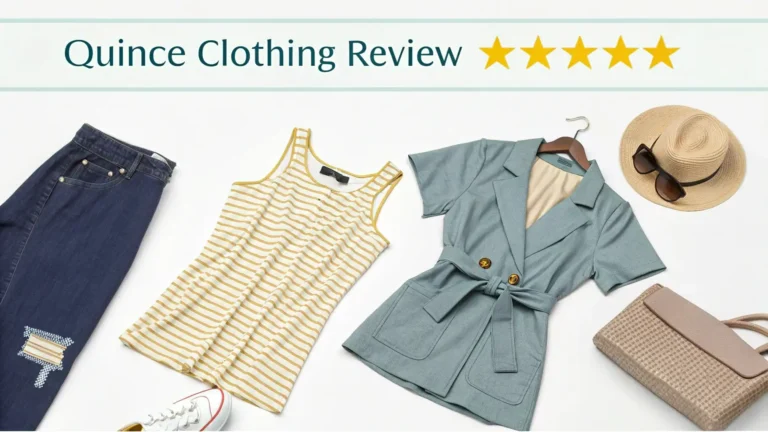
Quince provides budget-friendly wool and cashmere. Sweaters cost $50 to $100 typically. The lower prices reflect overseas production and different quality standards. These work for people testing wool or needing multiple sweaters. Babaa delivers noticeably better longevity and ethics.
Real Customer Experiences
Long-term owners rave about durability. Many people wear their Babaa sweaters for three to five years regularly. The sweaters look nearly new despite constant use. This surprises people accustomed to knitwear degrading quickly. The investment pays off through extended wear life.
First-time buyers often feel surprised by the texture. The wool feels rougher than expected initially. Some people return their sweaters immediately. Others push through the break-in period successfully. Reading reviews before purchasing sets realistic expectations.
Plus-size customers share mixed experiences. Some styles work beautifully on fuller figures. Others feel too small or oddly proportioned. The one-size model creates frustration for people outside standard sizes. Reddit communities offer helpful guidance on which numbers work best.
Petite wearers love the cozy, oversized feeling. Shorter people embrace sweaters that envelope them. Some do find certain styles too overwhelming. The No. 15 and No. 17 receive consistent praise from petite reviewers.
Gift recipients often become instant converts. People buy Babaa sweaters as special presents for loved ones. Recipients frequently buy additional pieces themselves. The quality makes a memorable impression. Gift-givers report high satisfaction rates.
When Babaa Isn’t Right for You
Sensitive skin requires careful consideration. The wool texture bothers some people permanently. No amount of washing makes the sweaters comfortable for true wool sensitivities. If you react to all wool, Babaa won’t work. Try pure cashmere or cotton instead.
Budget constraints make Babaa impractical sometimes. Not everyone can justify $200 to $300 on one sweater. Your financial priorities might not include luxury knitwear. Numerous quality alternatives exist at lower prices. Babaa works best when you have discretionary income for wardrobe investments.
Size needs outside the one-size range create problems. Very petite people may find everything too large. Plus-size folks might want more generous proportions. The limited sizing excludes some potential customers entirely. Brands offering multiple sizes serve these needs better.
Style preferences matter significantly. Babaa maintains a specific aesthetic that isn’t universal. If you prefer fitted, polished looks, the oversized knits disappoint. The rustic, chunky style suits casual and artistic dressers best. People wanting sleek sophistication should look elsewhere.
Immediate softness expectations lead to disappointment. If you need sweaters feeling soft from day one, Babaa requires patience. The break-in period frustrates people wanting instant comfort. Soft cashmere or merino might suit these preferences better.
Where to Buy Babaa Sweaters
The official Babaa website offers the complete collection. You’ll find all current styles, colors, and sizes available. Shopping directly supports the brand most effectively. The website provides detailed measurements and care information. Free shipping applies to orders over €100.
Select retailers carry Babaa in physical stores. These boutiques focus on sustainable and ethical fashion. Trying on sweaters in person helps with sizing decisions. Staff at these stores often have extensive product knowledge. They can guide you toward styles matching your needs.
Resale platforms feature pre-owned Babaa regularly. The RealReal, Vestiaire Collective, and Poshmark list pieces frequently. You can find sweaters for 40 to 60 percent off retail. Inspect listings carefully for condition and authenticity. Well-maintained Babaa pieces hold up beautifully secondhand.
Social media marketplaces sometimes list Babaa sweaters. Facebook Marketplace and local selling groups occasionally feature them. Prices vary widely based on seller knowledge. This option works for finding local deals. Meet sellers safely and inspect items before purchasing.
Seasonal sales happen on Babaa’s website directly. Black Friday, end-of-season, and occasional surprise sales occur. Sign up for their newsletter to receive sale notifications. Discounts typically range from 15 to 30 percent off. Popular styles and colors sell out quickly during sales.
Frequently Asked Questions
Do Babaa sweaters really soften over time?
Yes, Babaa sweaters definitely soften with wear and washing. The wool comes minimally processed which creates initial texture. As you wear the sweater, your body heat and movement relax the fibers naturally. Most people notice significant softening within two to four weeks of regular wearing. Washing with cold water and gentle soap also helps. Some owners add a small amount of hair conditioner to washing water. This speeds up the softening process. The transformation proves dramatic enough that many initially skeptical buyers become devoted fans.
How should I choose my first Babaa sweater?
Start by reading detailed reviews of specific style numbers. The No. 17 turtleneck and No. 15 crew neck work well as first purchases. These styles suit most body types and provide versatile wearing options. Check the exact measurements on Babaa’s website carefully. Compare them to your favorite oversized sweater at home. Consider your height when evaluating proportions. Choose a color that works with your existing wardrobe. Natural or Mist colors offer maximum versatility. If possible, try Babaa in person at a retailer first.
Are Babaa sweaters worth the high price?
Worth depends entirely on your values and budget. For people prioritizing sustainability and longevity, Babaa delivers excellent value. The sweaters last years longer than typical knitwear. They maintain their appearance and structure remarkably well. The ethical production justifies higher costs for many buyers. However, if budget constraints exist, numerous quality alternatives cost less. Consider cost per wear over several years rather than upfront price alone. Many owners call Babaa their best clothing investment. Others find similar satisfaction from less expensive brands.
Can I machine wash my Babaa sweater safely?
Machine washing works if you follow strict guidelines. Use only machines with dedicated wool programs. Set the temperature to exactly zero degrees Celsius. Higher temperatures cause irreversible felting and shrinkage. Choose the gentlest spin setting available. Place the sweater in a mesh laundry bag for extra protection. Remove it immediately when the cycle finishes. Never let wet wool sit in the machine. Many Babaa owners successfully machine wash for years. Hand washing remains safer but machine washing proves practical for busy people.
What size Babaa sweater should a plus-size person choose?
Babaa’s one-size model works for many plus-size people. Check specific style measurements carefully before ordering. The No. 17 and No. 51 receive positive reviews from plus-size wearers. Look for styles with wider body measurements and generous width. Reddit communities share helpful sizing experiences for larger bodies. Some plus-size customers find Babaa fits perfectly. Others wish for more size options. The oversized design accommodates curves well generally. Consider ordering one style to test fit before buying multiple pieces.
How do I prevent moths from damaging my Babaa?
Prevention requires vigilant storage practices. Always wash your sweater before storing long-term. Moths eat food stains and body oils rather than wool itself. Store clean, dry sweaters in breathable cotton bags. Add cedar blocks or lavender sachets as natural repellents. Avoid plastic bags which trap moisture and damage wool. Check stored sweaters every few months. Look for tiny holes or moth larvae evidence. If moths appear, freeze the sweater for 72 hours. This kills eggs and larvae effectively. Air and inspect regularly to catch problems early.
Can short people wear Babaa sweaters successfully?
Yes, many petite people love Babaa despite one-size-fits-all. The oversized proportions create a cozy, enveloping feel. Shorter wearers especially enjoy the extra length and sleeve coverage. Some styles work better than others for petite frames. The No. 15 and No. 17 receive consistent praise from shorter reviewers. Very oversized styles like the No. 16 might overwhelm smaller frames. Check length measurements if you’re under 5’4″. Consider whether you enjoy oversized proportions generally. Many short Babaa fans own multiple pieces they wear constantly.
What makes Babaa different from other wool sweaters?
Babaa’s farm-to-closet model sets them apart. The entire production happens within Spain using local materials. They maintain direct relationships with sheep farmers and factories. The wool receives minimal processing which preserves natural character. This creates unique texture that softens beautifully over time. The one-size approach reflects commitment to sustainability. Japanese knitting machines produce their distinctive chunky gauge. Hand-finishing ensures quality control. The combination of traditional materials and modern production creates something special. The sweaters balance rustic authenticity with contemporary design.
How often should I wash my Babaa sweater?
Wash your Babaa sweater infrequently to preserve fibers. Wool naturally resists odors and refreshes when aired out. After wearing, hang the sweater outside or near an open window. Fresh air removes odors without washing. Most people wash every 5 to 10 wears depending on activity level. Spot clean small stains instead of washing the entire sweater. Only wash when truly dirty or after wearing next to skin repeatedly. Overwashing damages wool fibers and shortens sweater life. This minimal washing approach actually keeps wool fresher longer.
Where can I find Babaa sweaters on sale?
Babaa holds official sales several times yearly. Black Friday typically offers the biggest discounts. End-of-season sales happen in spring and fall. Sign up for their email newsletter to receive sale notifications. Discounts usually range from 15 to 30 percent off. Popular styles and colors sell out within hours of sales starting. Secondhand platforms like The RealReal offer year-round deals. Pre-owned Babaa sweaters sell for 40 to 60 percent below retail. Facebook Marketplace occasionally features local deals. Set up saved searches on resale platforms to catch new listings quickly.
Last update on 2026-03-08 / Affiliate links / Images from Amazon Product Advertising API